

Overview
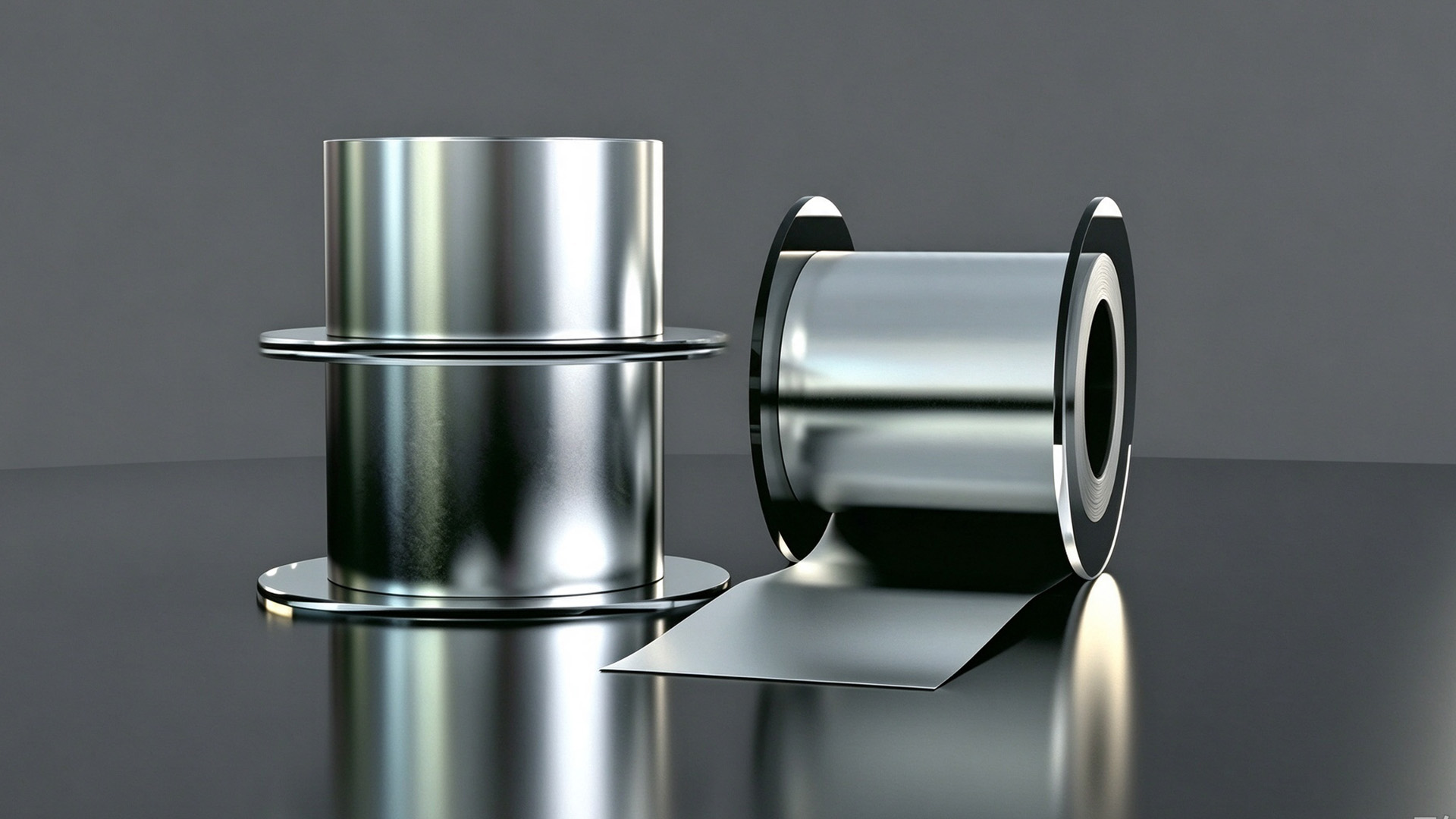
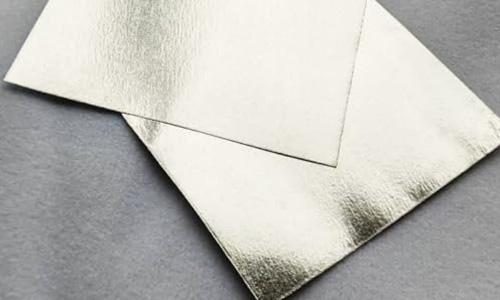
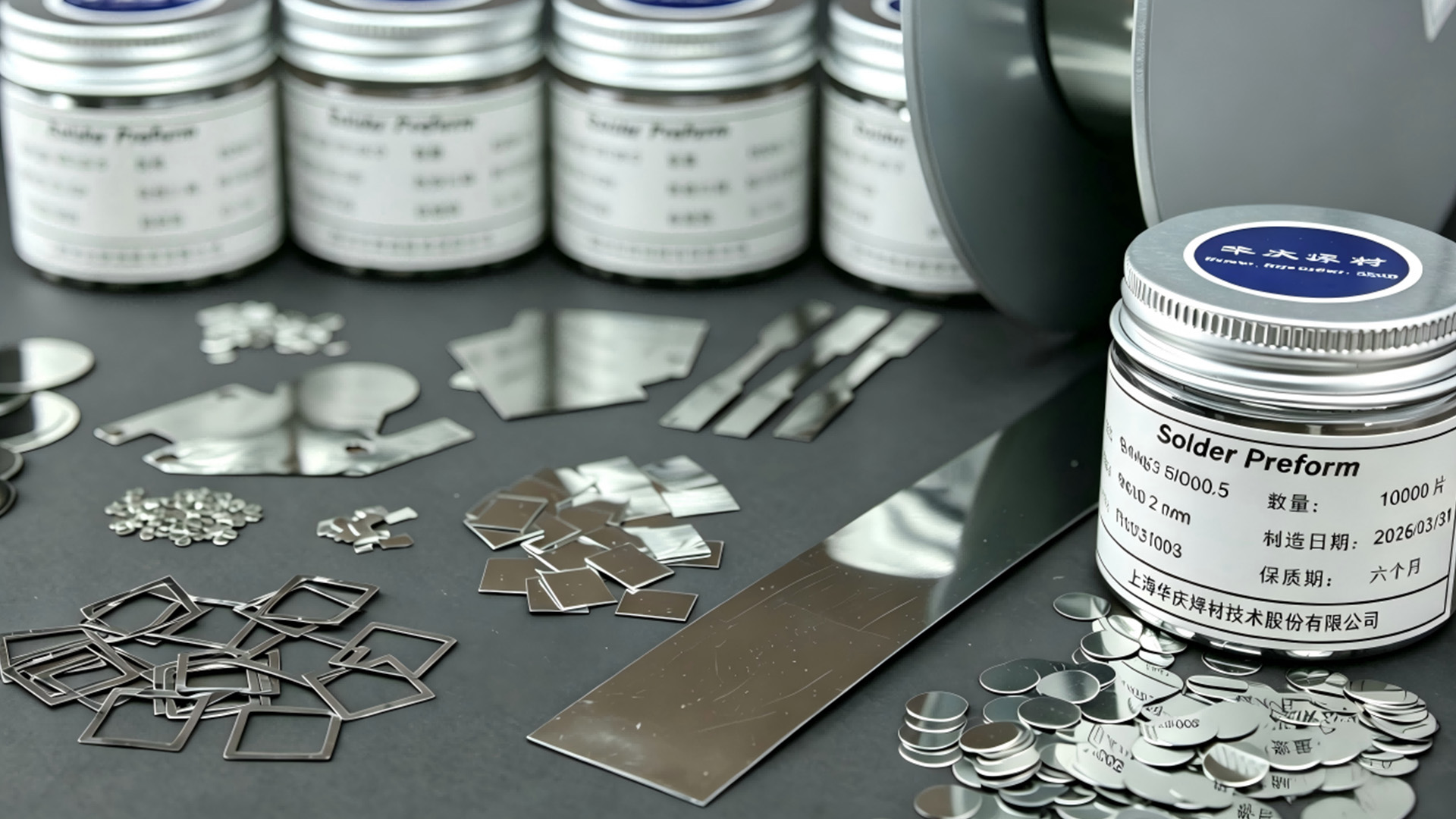
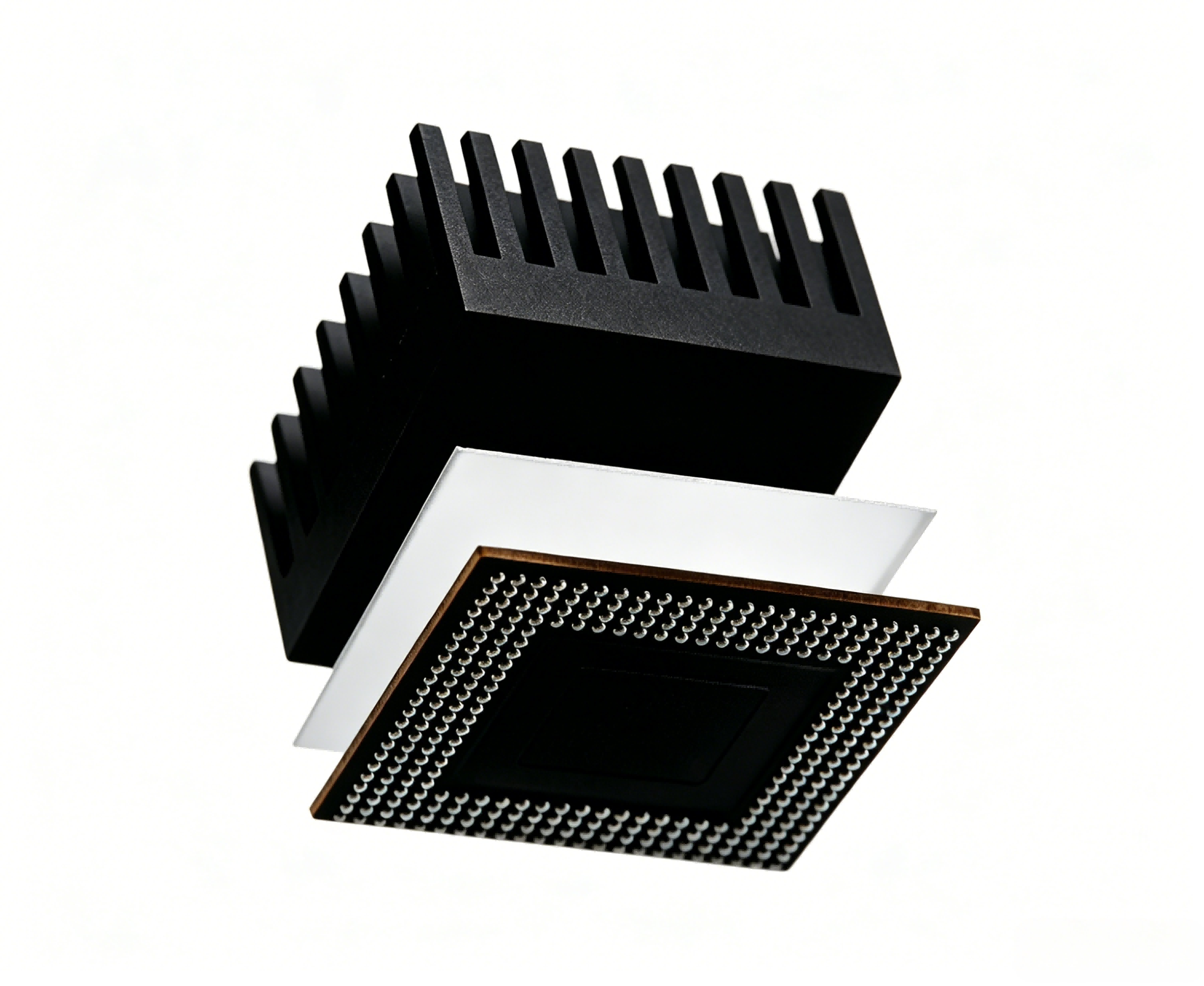
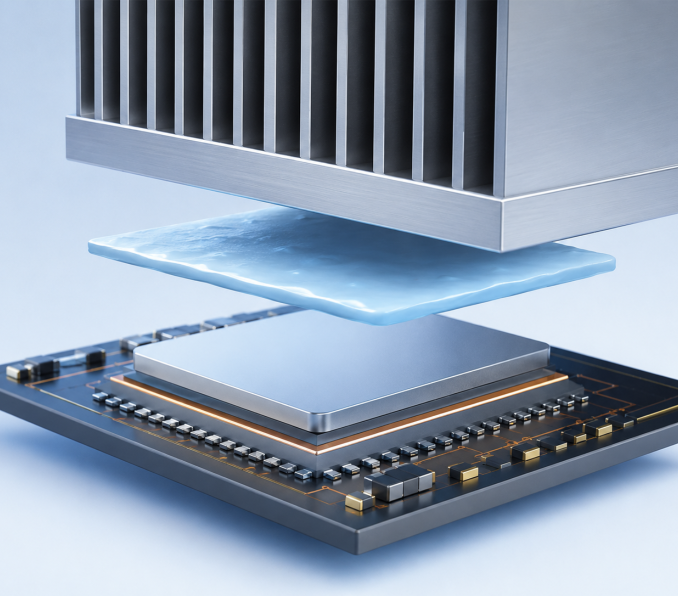
Thermal interface materials (Indium Foils) are sheet‑form thermal‑conductive soldering materials fabricated from high‑purity metallic indium via precision rolling and cutting processes. They combine outstanding thermal conductivity, ductility and soldering compatibility. Their core functions are to deliver efficient thermal conduction and reliable interconnection for high‑end precision assemblies, fill assembly gaps, reduce thermal resistance, and prevent component ageing and failure caused by heat accumulation.
Focused on demanding applications such as high‑end semiconductors and power devices, Huaqing indium thermal foils feature ultra‑high purity and precise dimensional control, providing integrated solutions with efficient thermal transfer and stable bonding for high‑end electronics manufacturing.
Core Advantages
Ultra‑high Purity for Excellent Thermal Performance
Manufactured from high‑purity metallic indium with purity of 99.99 % or higher and extremely low impurity levels. Delivering superior thermal conductivity, the material quickly conducts heat generated during component operation and effectively reduces thermal resistance. It avoids component ageing and failure induced by heat build‑up, ensuring long‑term stable operation of core assemblies.
Precision Forming with Stringent Dimensional Control
Produced by precision rolling and cutting processes, the foils feature uniform thickness and high dimensional accuracy. Custom ultra‑thin, micro‑size and special‑profile specifications are available. They perfectly fill micro‑gaps within high‑end precision assemblies and conform to component surfaces to guarantee uniform thermal transfer and bonding, suited for fine‑pitch and miniaturized high‑end packaging scenarios.
Excellent Ductility & Broad Soldering Compatibility
Metallic indium exhibits exceptional ductility and plasticity. It accommodates temperature variation and pressure requirements of diverse soldering processes, resisting cracking and delamination during soldering. It forms intimate bonding with various metallic components and supports high‑precision processes such as vacuum reflow soldering and thermo‑compression bonding for robust interconnection reliability.
Broad Temperature & Environmental Resistance for Demanding Service Conditions
Boasting excellent high‑/low‑temperature endurance and corrosion resistance, it operates stably across a wide temperature range from ‑200 ℃ to 150 ℃. Adaptable to harsh service conditions including high temperature, high‑load and humid environments, it meets long‑term reliability requirements for high‑end sectors covering power devices, aerospace electronics and medical equipment.
Related Products

Related Applications


 Follow Us
Copyright@ 2026 All Reserved Copyright © Shanghai Huaqing Solder Material Technology Co., Ltd. All Rights Reserved.
Hu‑Wang‑An‑Bei 31011402003768
Hu ICP 2023012058‑1
