

Lead‑bearing Solder Bars
Lead‑bearing solder bars are suitable for general‑purpose electronic soldering scenarios including conventional wave soldering, manual dip soldering, large‑size metal terminals, transformers and PCBs for household appliances.
Overview
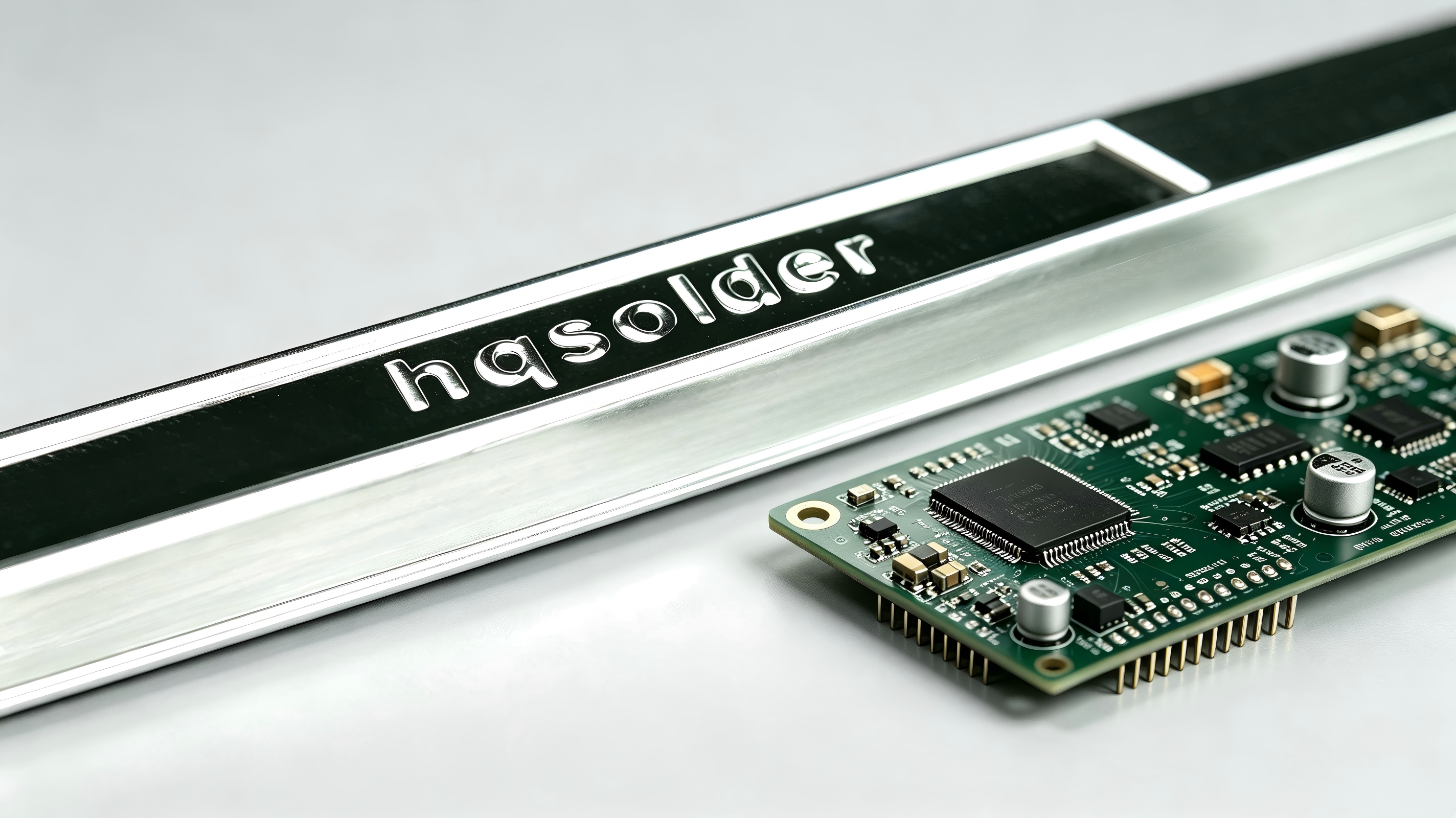
Refined and cast from tin‑lead alloys, lead‑bearing solder bars feature good molten fluidity and stable wetting performance with low production costs. Minimal excessive dross is generated upon prolonged melting, making them well‑established general‑purpose molten‑soldering consumables.
Applicable Processes
Molten‑tin feeding for wave‑solder pots, PCB dip soldering, mass tin‑dipping of metal terminals, manual tin‑dipping processing for large‑size workpieces.
Core Advantages
Excellent Molten Fluidity
Well‑proven alloy formulation delivers bright and even molten‑tin surface with uniform tin deposition. Fast wetting is achieved even for large pads and bulky metallic components.
Anti‑oxidation & Reduced Dross for Lower Maintenance
Special anti‑oxidant elements are incorporated. Low dross build‑up during extended high‑temperature holding inside solder pots reduces solder consumption and furnace‑cleaning frequency.
Stable Solder‑joint Mechanical Strength
Solder joints possess good ductility with high vibration resistance and thermal‑shock resistance, satisfying long‑term service requirements for household appliances and low‑end industrial‑control equipment.
Outstanding Cost‑performance & Easy Handling
Broad melting‑temperature tolerance with low equipment requirements and low barriers for storage and melting processes. Ideal for mass‑production of cost‑effective electronic products.
Related Products
Related Applications

Market








 Follow Us
