


Low‑temperature Solder Wire
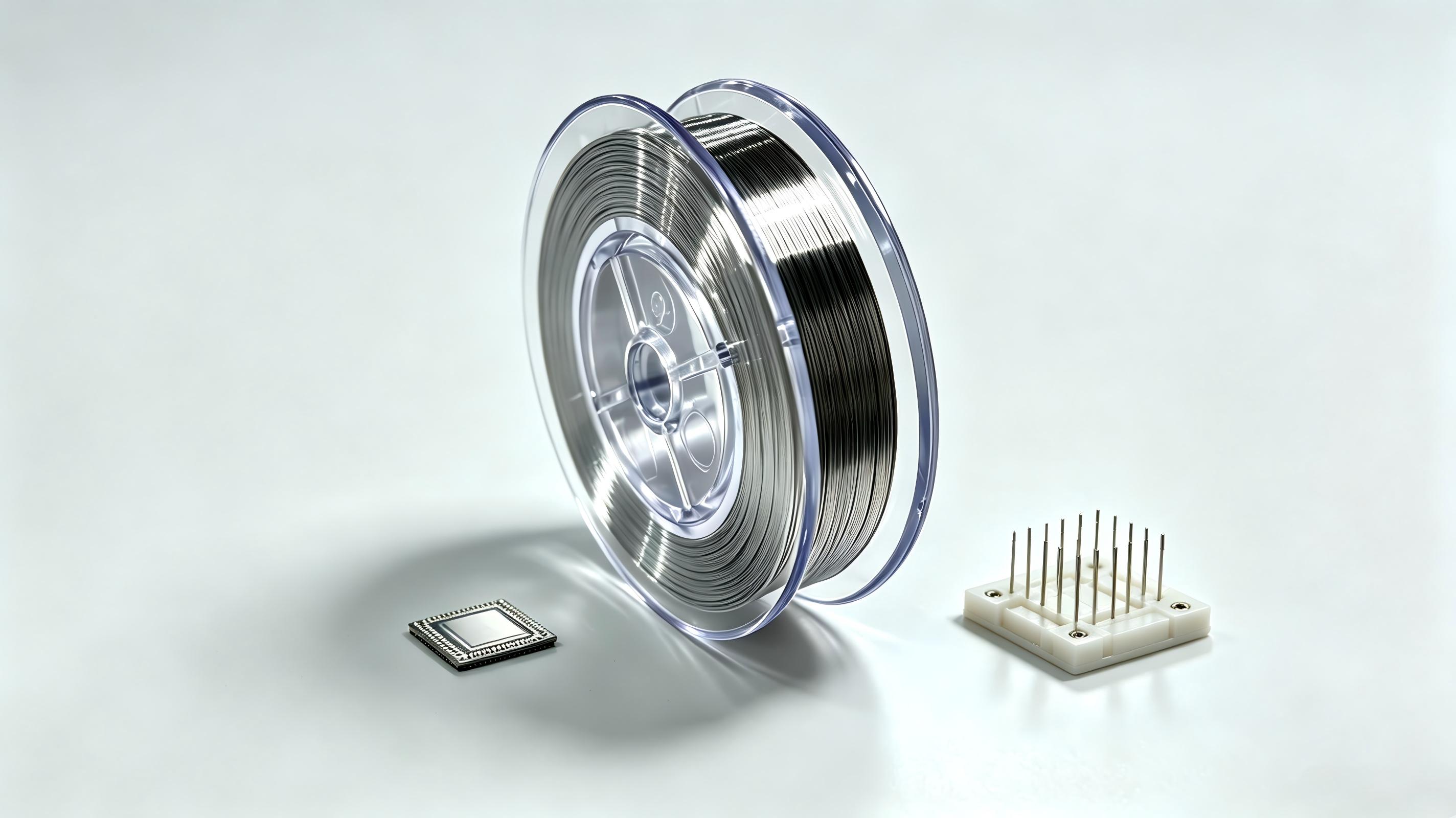
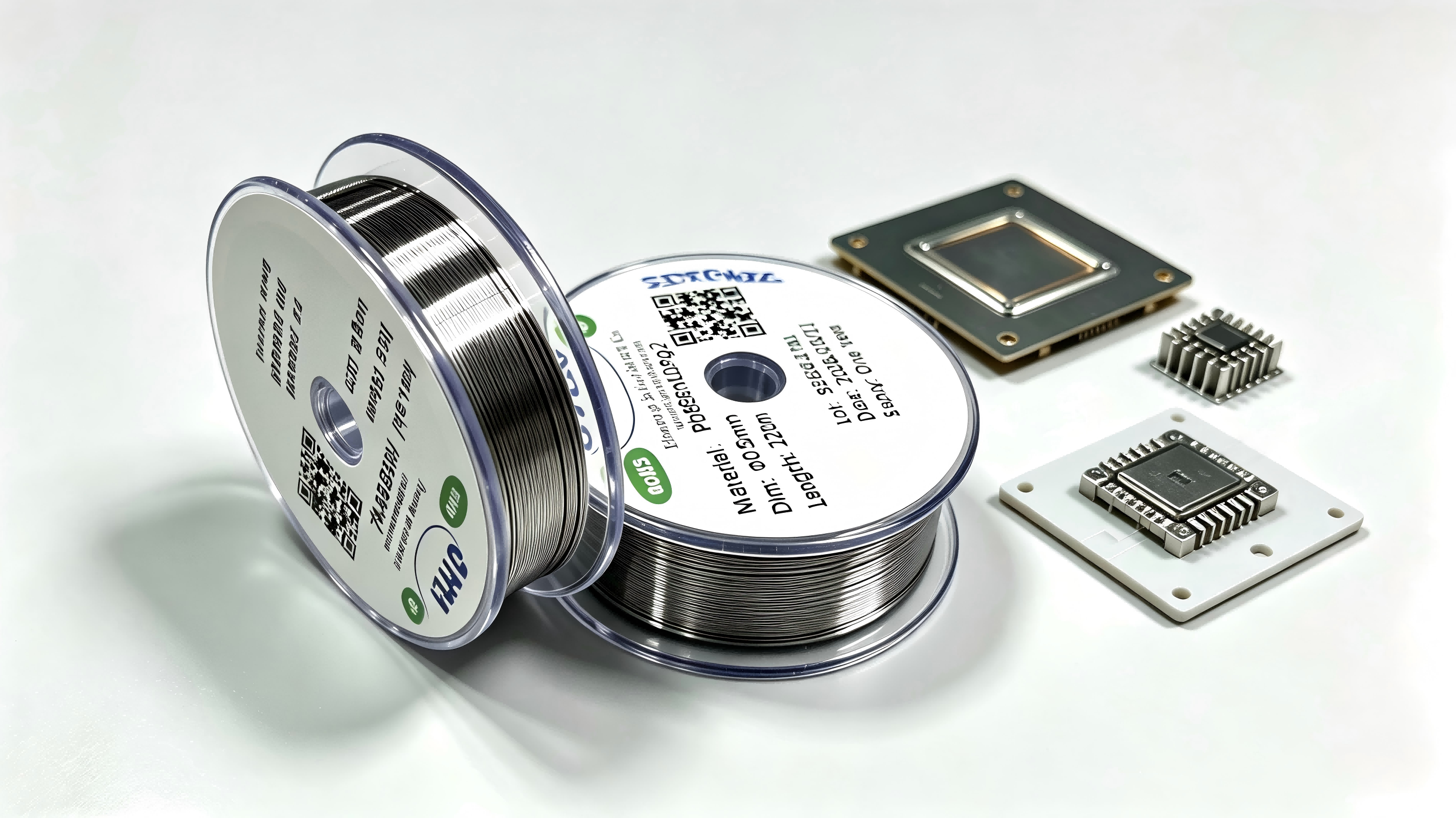
Low‑temperature solder wire is designed for low‑temperature soldering and die‑attach operations of heat‑sensitive components, plastic substrates, LED chips, fragile thin wafers and precision heat‑vulnerable small‑size parts.

Overview
Low‑temperature solder wire adopts tin‑bismuth / tin‑bismuth‑silver low‑melting‑point alloys with a mild‑activity flux core embedded inside. Its melting temperature is far lower than conventional lead‑free and lead‑bearing soldering materials. Low heat input during soldering prevents thermal damage to workpieces.
Applicable Processes
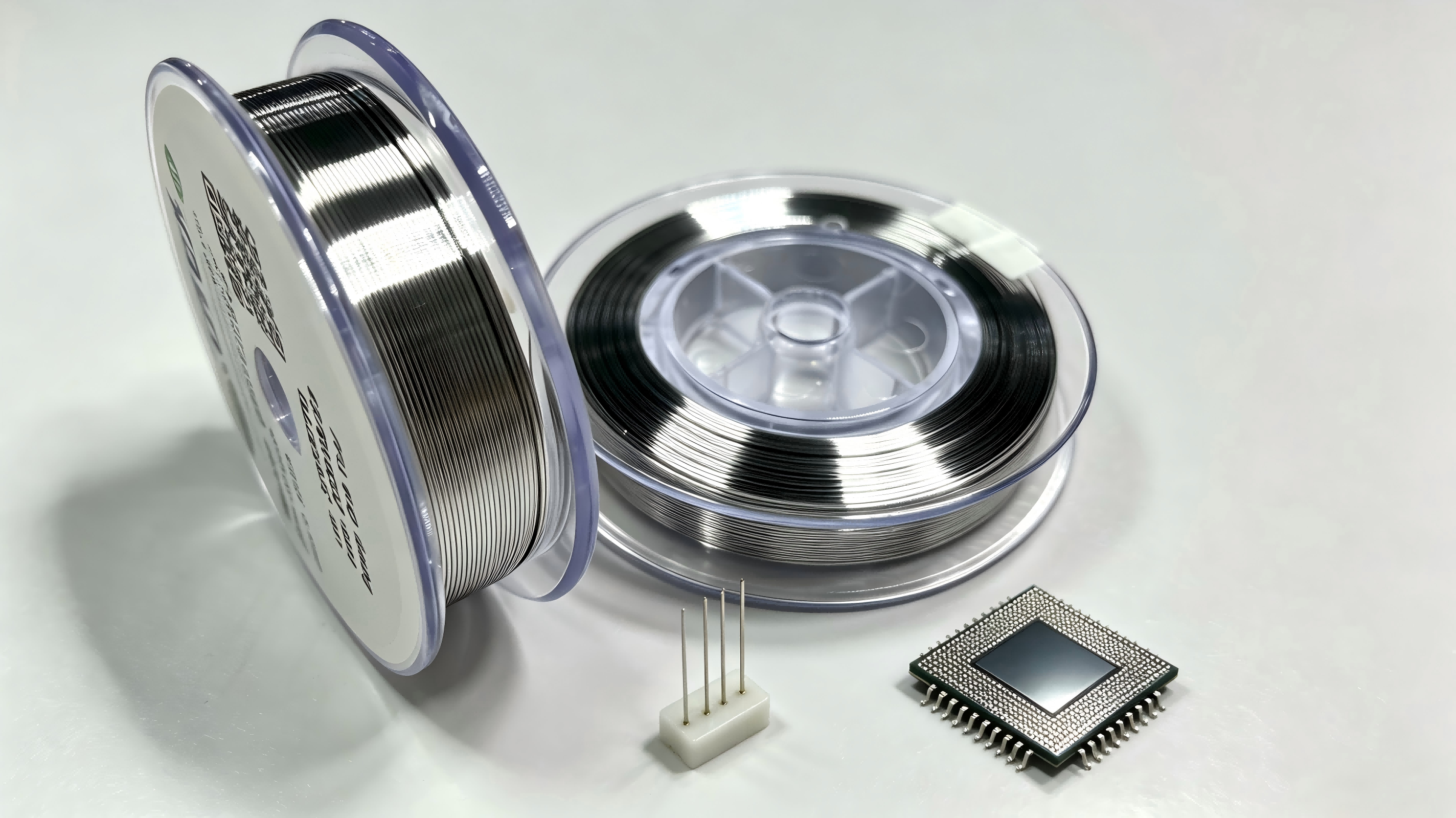
Touch‑up soldering for heat‑sensitive components, LED module soldering, die‑attach for thin wafers, flexible circuit soldering, low‑temperature tinning on plastic‑based substrates.
Core Advantages
Ultra‑low Melting Temperature, No Damage to Heat‑sensitive Workpieces
Low melting point delivers minimal thermal shock, effectively avoiding plastic deformation, wafer cracking and luminous attenuation damage of LED chips.
Uniform Wetting, Sound Joint Formation at Low Temperature
Proprietary flux matched with low‑melting‑point alloy delivers favourable wetting performance at low temperature, producing intact solder joints free of cold solder joints.
Low Stress for Brittle & Thin Substrates
The alloy generates low shrinkage stress upon cooling, mitigating cracking failures for thin wafers and fragile components.
Eco‑friendly Lead‑free Formulation for Compliant General‑purpose Use
Lead‑free and RoHS‑compliant, suitable for mass‑production and rework of consumer‑electronic and optoelectronic miniature parts.
Quickly browse products and applications. VisitProduct Centerfor matching inquiries.
Related Products
Related Applications


Market






 Follow Us
